
Kyoto Travel Guide: Weekend Itinerary & Top Things to Do
Experience Kyoto
Kyoto is a premier destination curated by our expert travel team. Known for its distinct Tradition, Temples, History vibes, it offers a perfect blend of relaxation and discovery for those seeking a premium weekend break in 2026.
Why It's a Weekend Favorite
Kyoto excels as a short-stay destination due to its accessibility and high density of attractions. Whether you’re a solo traveler, a couple on a romantic escape, or a family looking for a quick adventure, the city provides a diverse range of activities that can be comfortably covered in a 2 to 3-day window.
Cultural Context & Local Vibe
Visiting Kyoto is about more than just sightseeing; it's about soaking in the unique local atmosphere. From the traditional architecture to the modern culinary scene, every corner tells a story. Our AI-curated plan below ensures you hit the most authentic spots that represent the true heart of Japan.
Kyoto: The Ultimate Exploration Guide
Introduction
Kyoto, the city of a thousand temples, is a living testament to traditional Japanese culture. Nestled in central Honshu amidst misty mountains, Kyoto captivates travelers with its serene beauty, historical richness, and modern vibrancy. From its lush bamboo groves and enchanting Zen gardens to bustling markets and traditional tea houses, Kyoto offers a mosaic of experiences that remain etched in the memory long after visit.
History and Heritage
Kicking off as the imperial capital of Japan for over a millennium, Kyoto is an epicenter of Japanese cultural and historical heritage. Founded in 794 AD, it resisted modernity's encroachment, preserving its historic buildings and ancient customs. A city that survived the ravages of war and disaster, Kyoto stands today as a culture-rich destination where visitors can immerse themselves in the era of samurais, emperors, and geishas. Insight into Kyoto's storied past is visible in its magnificent temples, shrines, and palaces, many of which are UNESCO World Heritage Sites.
Top Attractions
Kinkaku-ji (The Golden Pavilion)
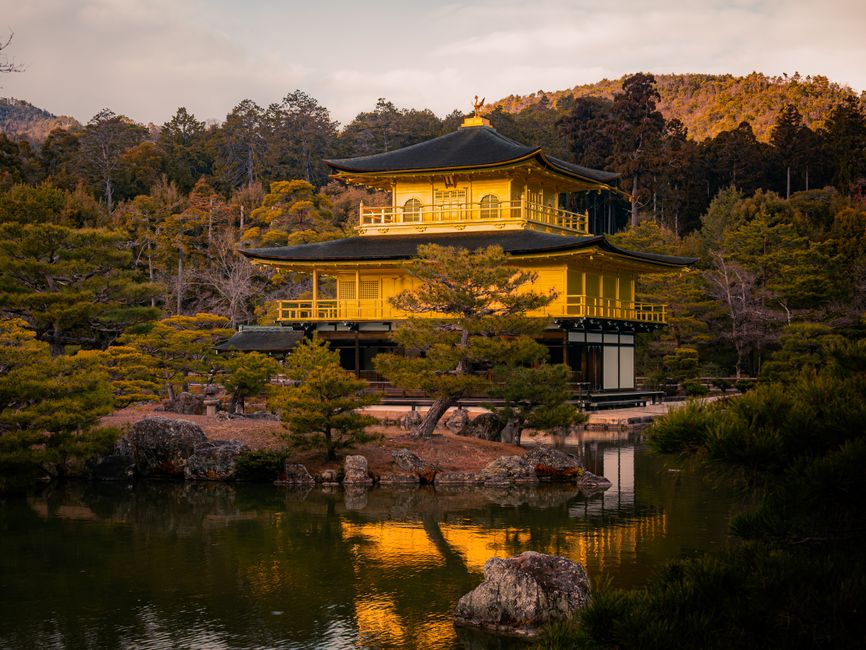
One of Kyoto's most iconic sites, Kinkaku-ji is a Zen Buddhist temple whose top two floors are completely covered in brilliant gold leaf, shining regally beside a tranquil pond. Originally the retirement villa of the shogun Ashikaga Yoshimitsu, it became a temple after his death in 1408. The surrounding gardens and its reflection shimmering on the pond create an image of harmony and beauty.
Fushimi Inari Taisha
Renowned worldwide for its thousands of vermilion torii gates which straddle a network of trails behind its main buildings, Fushimi Inari Taisha is the head shrine of the kami Inari, the deity of rice. It offers a mysterious, yet spiritual experience as you traverse through corridors colored in vibrant shades of red, leading you up the forested Inari mountain.
Arashiyama Bamboo Grove
Strolling through the Arashiyama Bamboo Grove on the outskirts of Kyoto is like stepping into another world. The towering, swaying stalks of bamboo creak and whisper with the wind, creating an almost otherworldly atmosphere. Whether walking or biking, it's an evocative retreat into nature that feels simultaneously calming and mystical.
Kiyomizu-dera
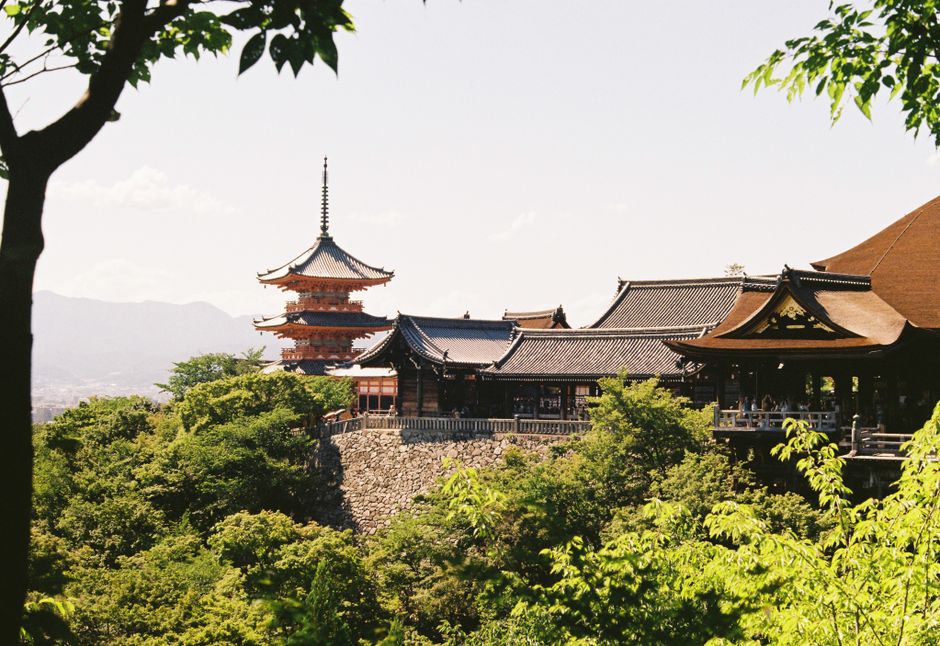
Perched on the hillsides overlooking Kyoto, Kiyomizu-dera is one of the city's most celebrated temples. Founded in 778, it is best known for its vast wooden stage that juts out from its main hall, offering breathtaking views of the cherry and maple trees below, especially enchanting in spring and autumn. The phrase "to jump off the stage at Kiyomizu" is a Japanese expression akin to "taking the plunge."
Nijo Castle
A flatland castle built in 1603 as the Kyoto residence of the first shogun of the Edo period, Nijo Castle is a stunning example of feudal-era architecture and a testament to the shogunate’s power. The castle is famous for its nightingale floors—designed to squeak when stepped on, serving as a warning system against intruders. Also, the ornate rooms of Ninomaru palace reflect the wealth and artistry of the period.
Gastronomy
Kaiseki
Kaiseki is the pinnacle of Japanese cuisine, representing the region's seasonal delicacies through a series of beautifully presented dishes. Rooted deeply in the tea ceremony tradition, it showcases artistic refinement and culinary craftsmanship, often enjoyed in serene settings of traditional Japanese ryokans or specialized restaurants.
Yudofu
In the quiet abundance of Kyoto’s temple food, Yudofu, or tofu hot pot, stands out as a comforting and simple dish. Prepared by simmering soft tofu in a light broth, it is typically served with a variety of dipping sauces and condiments, making a delightful meal particularly in the cooler months.
Matcha
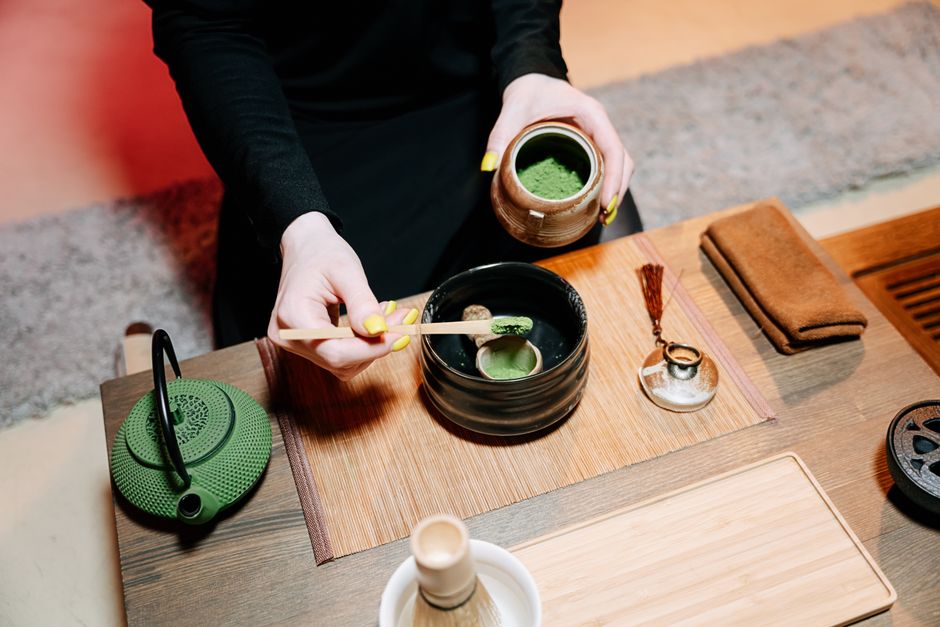
Kyoto is renowned for its high-quality matcha, a finely ground green tea powder used in tea ceremonies. The city offers numerous tea houses where one can experience traditional tea ceremonies, savoring matcha alongside exquisite Japanese confections.
Yatsuhashi
This iconic Kyoto sweet made from glutinous rice flour, sugar, and cinnamon is available in its baked and unbaked forms. It's a popular souvenir, often filled with sweet red bean paste, offering a delicious glimpse into Kyoto's confectionery tradition.
Hidden Gems
Philosopher's Path
Running alongside a cherry-tree-lined canal between the neighborhoods of Nanzen-ji and Ginkaku-ji, the Philosopher's Path provides a tranquil escape from the city's main attractions. Named after Nishida Kitaro, a famous philosopher who meditated while walking this route, it's perfect for quiet contemplation.
Okochi Sanso Villa
Adjacent to the Arashiyama Bamboo Grove, the Okochi Sanso Villa, former home of a popular Japanese actor, reflects a beautiful synthesis of traditional Japanese architecture and splendid landscaped gardens. With its fairly modest visiting crowds, the villa offers a peaceful retreat and sweeping views over Kyoto.
Kyoto Railway Museum
Unlike other temples and historic sites, the Kyoto Railway Museum, nestled inside the city's Umekoji Park, is a modern attraction that captivates train enthusiasts and families. It showcases Japan’s impressive railway history through interactive exhibits and an extensive collection of vintage trains.
Practical Information
Kyoto enjoys a temperate climate, with spring (March to May) and autumn (September to November) being the best times to visit for pleasant weather and vibrant seasonal foliage. The city is easily accessible via train from Japan's main urban centers, with Kyoto Station being a central hub. To navigate within the city, buses and trains are reliable options. Cultural customs, such as removing shoes before entering a home or a tatami room, are important to respect.
Conclusion
Kyoto is not just a city; it is a journey through time where past and present seamlessly intertwine. Its harmonious blend of history, nature, and culture invites travelers to explore its myriad wonders. By respecting local customs and embracing the serene ambiance, visitors leave with lasting memories and a deeper appreciation for this enchanting city. Your adventure awaits in Kyoto; an exploration like no other.
Your 2-Day AI Itinerary
Trip Overview
Explore the ancient capital of Japan with its stunning temples, traditional tea houses, and breathtaking gardens over a memorable weekend.
Travel Logistics
Recommended Stays
Day 1Cultural Immersion in Kyoto



Day 2Temples and Traditional Streets



Expand Your Trip: Nearby Destinations


Why Kyoto Defines Modern Travel
Selecting a destination for a high-impact weekend requires more than just a pin on a map. At Weekend Travellers, we analyze the specific Logistical DNA of cities like Kyoto before featuring them in our expert index. For a 2026 traveler, the value of Kyoto lies in its "48-hour feasibility"—the ability to provide a complete cultural narrative without the need for a week-long commitment.
Authenticity in the Algorithmic Age
While our AI-driven itinerary provides the structural backbone for your journey to Japan, the real magic happens in the local intersections. We prioritize "Anti-Tourist" landmarks and hyper-local dining gems that our data indicates are trending towards high-quality, authentic experiences. By focusing on Tradition and Temples and History archetypes, we ensure that your stay in Kyoto isn't just a sequence of photos, but a coherent story of discovery.
Sustainable Exploration
Our commitment to Kyoto extends beyond your visit. We encourage a model of tourism that respects the local infrastructure and supports independent vendors. By following our curated paths, you are contributing to a recursive feedback loop that helps us maintain the quality and integrity of travel for future explorers. Enjoy your curated journey through the heart of Japan.