
Seoul Travel Guide: Weekend Itinerary & Top Things to Do
Experience Seoul
Seoul is a premier destination curated by our expert travel team. Known for its distinct City, Technology, Food vibes, it offers a perfect blend of relaxation and discovery for those seeking a premium weekend break in 2026.
Why It's a Weekend Favorite
Seoul excels as a short-stay destination due to its accessibility and high density of attractions. Whether you’re a solo traveler, a couple on a romantic escape, or a family looking for a quick adventure, the city provides a diverse range of activities that can be comfortably covered in a 2 to 3-day window.
Cultural Context & Local Vibe
Visiting Seoul is about more than just sightseeing; it's about soaking in the unique local atmosphere. From the traditional architecture to the modern culinary scene, every corner tells a story. Our AI-curated plan below ensures you hit the most authentic spots that represent the true heart of South Korea.
Seoul: The Ultimate Exploration Guide
Introduction
Immerse yourself in the vibrant culture of Seoul, South Korea’s dazzling capital city. A thriving metropolis where tradition meets innovation, Seoul is a city of contrasts. From stunning ancient palaces to cutting-edge skyscrapers, bustling street markets, and serene mountain landscapes, Seoul offers an abundance of experiences that captivate every traveler. Whether you're an avid history buff, a culinary enthusiast, or a tech-savvy explorer, Seoul promises a journey filled with remarkable discoveries.
History and Heritage
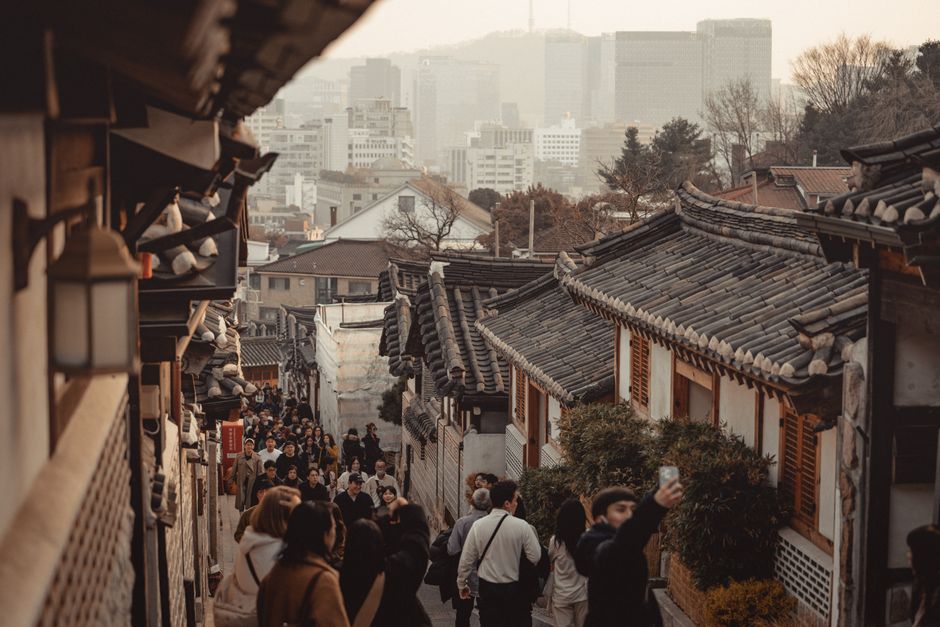
Seoul is a city deeply rooted in history, with its origins tracing back over 2,000 years. The city served as the capital of Joseon Dynasty for over 500 years, making it a hub of cultural, political, and economic activity. Throughout the centuries, Seoul has preserved its magnificent palaces, traditional hanoks (Korean houses), and enchanting temples, offering visitors a glimpse into its storied past. Despite relentless modernization, the city's soul remains intertwined with its tradition, providing a distinct historical tapestry that enchants and inspires.
Top Attractions
Gyeongbokgung Palace
Gyeongbokgung Palace stands as a grand symbol of Seoul's royal heritage. Built in 1395, it served as the main palace of the Joseon Dynasty. Visitors can explore its expansive grounds, admire the iconic architecture, and witness the changing of the guard ceremony. Within its walls lies the National Folk Museum, offering deeper insights into Korean culture.
Namsan Seoul Tower
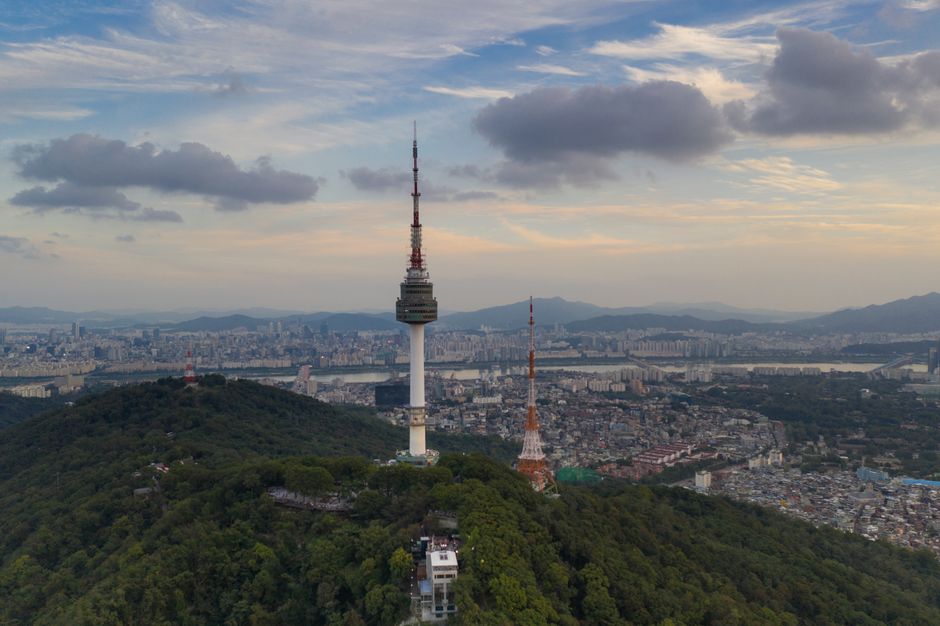
Perched atop Namsan Mountain, the Namsan Seoul Tower offers breathtaking panoramic views of the cityscape below. This iconic landmark becomes a haven for couples who embellish the tower’s surroundings with love locks. As day turns to night, visitors are treated to a mesmerizing light show, making it an ideal spot for romantic and family visits alike.
Changdeokgung Palace and Huwon
Recognized as a UNESCO World Heritage site, Changdeokgung Palace is lauded for its harmonization with natural surroundings and intricate architecture. Its Secret Garden, or Huwon, offers an idyllic escape with its ponds and pavilions designed to embody natural beauty and tranquil reflection. Guided tours take visitors through this serene expanse, offering a window into royal leisure.
Insadong
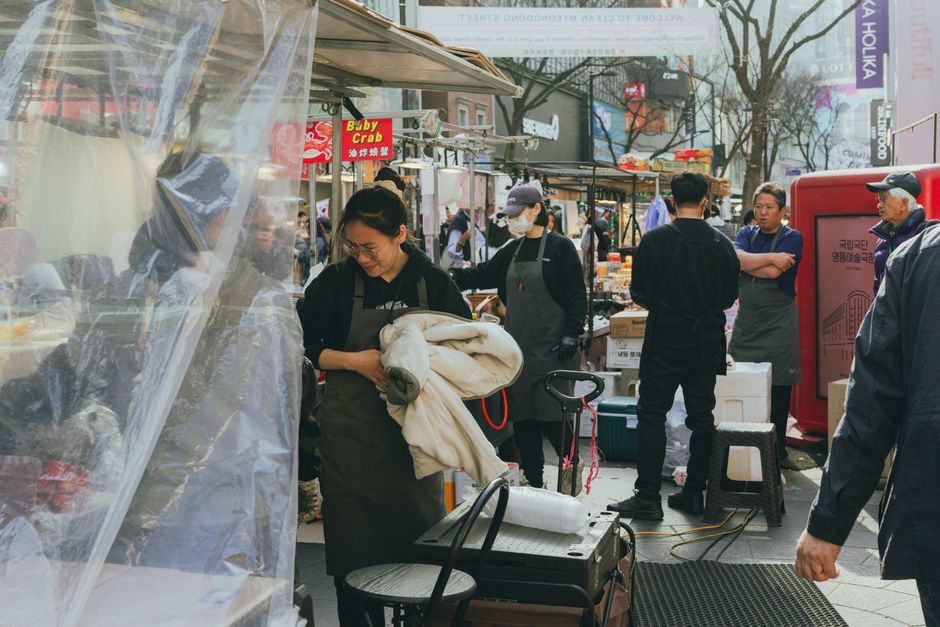
Insadong is the cultural heart of Seoul—a bustling district brimming with traditional tea houses, art galleries, and antique shops. Visitors can stroll through its lively alleys to discover unique crafts, calligraphy art, and the city’s best Korean street food. It's the perfect destination for those looking to take home a piece of Korean tradition.
Dongdaemun Design Plaza (DDP)
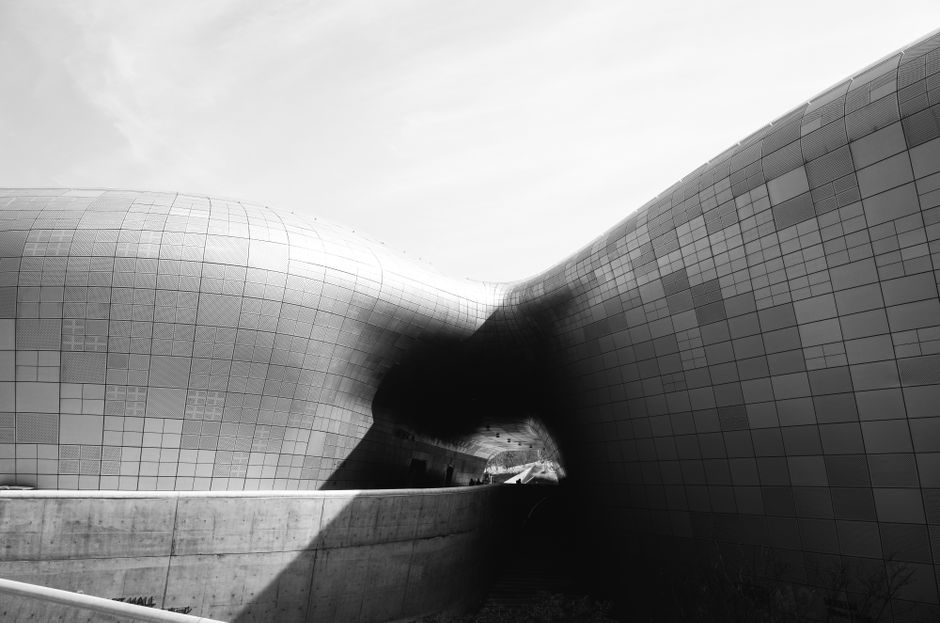
A marvel of futuristic architecture, the Dongdaemun Design Plaza (DDP) is a major cultural and exhibition space designed by the late Zaha Hadid. Known for its distinctive, curvilinear form, the plaza hosts a range of events, like Seoul Fashion Week, and includes a Design Lab and museum for creative exhibitions.
Gastronomy
Kimchi
Considered the heart of Korean cuisine, kimchi is a fermented vegetable dish, often made with napa cabbage and radishes. Spiced with garlic, ginger, and red pepper flakes, kimchi is both pungent and delicious. Its tangy, flavorful kick makes it a staple side dish in Korean meals.
Bulgogi
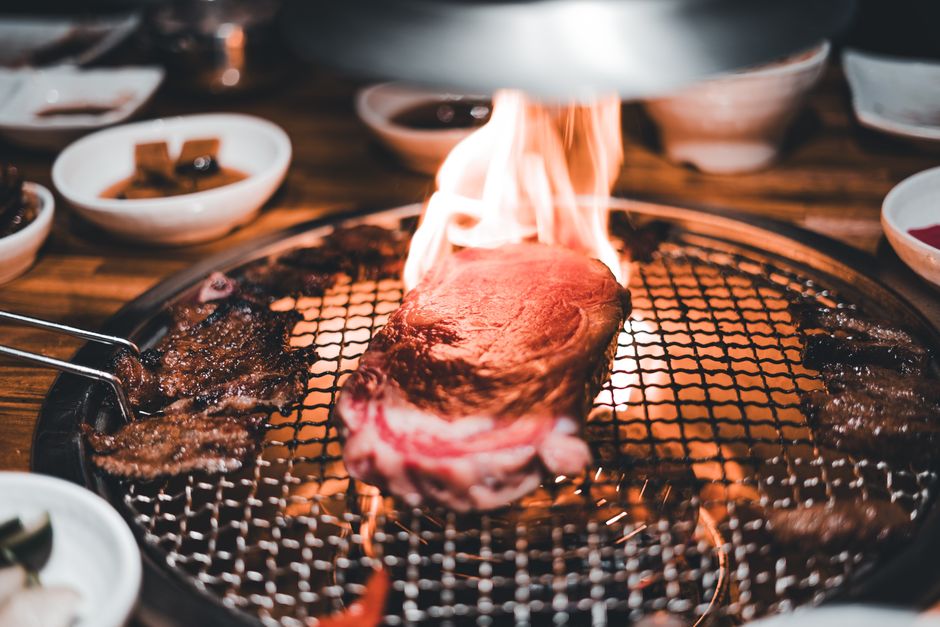
Bulgogi is a beloved Korean barbecue dish featuring thinly sliced marinated beef grilled to perfection. Infused with soy sauce, sesame oil, garlic, and sugar, each bite delivers a harmonious balance of sweet and savory that keeps visitors coming back for more.
Samgyeopsal
An interactive dining experience, samgyeopsal is grilled pork belly that diners cook at their table. Served with dipping sauces and wrapped in lettuce or perilla leaves, it’s a must-try dish for those wanting to savor Korean barbecue in its classic form.
Tteokbokki
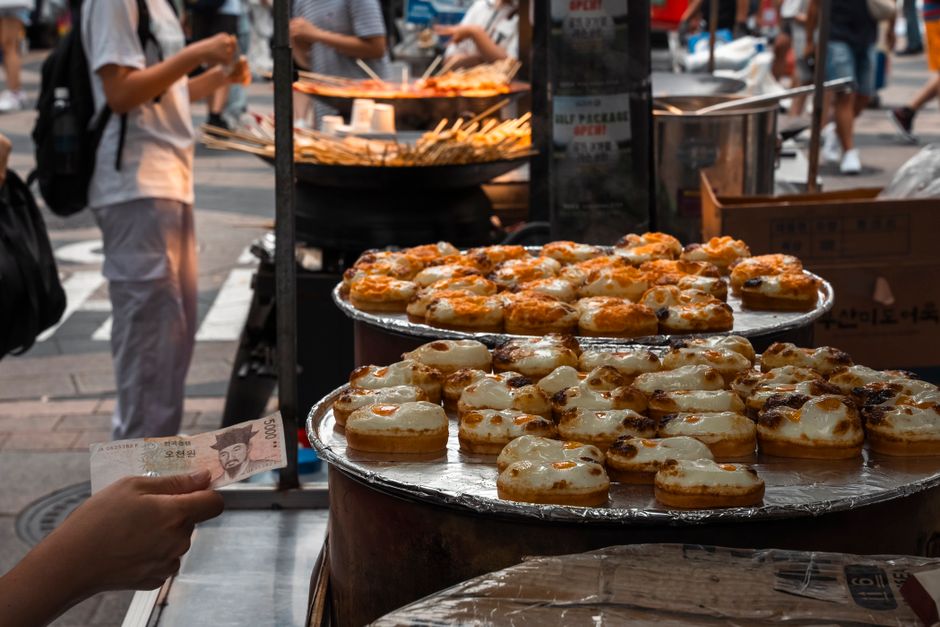
Tteokbokki is a popular street food made of chewy rice cakes bathed in a spicy, sweet sauce. This comforting dish is a favorite among locals and tourists alike, often found in bustling markets like the Gwangjang Market.
Bibimbap
Bibimbap, meaning "mixed rice," is a wholesome and colorful dish consisting of warm rice topped with seasoned vegetables, a fried egg, and slices of beef, all blended with gochujang (red chili paste). Its delightful combinations of textures and flavors make it an iconic Korean staple.
Hidden Gems
Ikseon-dong Hanok Village
While Bukchon may be the more famous hanok village, Ikseon-dong offers a quieter and more intimate setting. This charming area is a labyrinth of narrow alleys lined with traditional houses that host cozy cafes and boutiques, perfect for those seeking a peaceful escape.
Eunpyeong Hanok Village
Tucked against the backdrop of Mount Bukhansan, the Eunpyeong Hanok Village offers visitors a nostalgic journey into Korea's architectural past. It's less crowded than its counterparts, allowing for serene exploration of traditional crafts workshops and hanok-style accommodations.
Bukhansan National Park
A haven for nature lovers, Bukhansan National Park offers stunning vistas, hiking trails, and beautiful flora. It's a mere stone's throw from Seoul’s urban clamor, providing a refreshing retreat with ancient fortresses and rugged summits waiting to be explored.
Seonyudo Park
Constructed on a former industrial site, Seonyudo Park is an ecological oasis on the Han River. It’s an innovative space that blends nature with urban design, featuring botanical gardens, water purification ponds, and panoramic riverside views, making it an ideal spot for relaxation.
Hanging Cafe in Mullae
Venture into the artistic corner of Mullae-dong to find the Hanging Cafe, a hidden haven surrounded by eclectic street art and industrial studios. This quirky spot serves exceptional coffee and offers an inviting atmosphere for creative minds.
Practical Information
The best time to visit Seoul is during its mild spring (April to June) or vibrant autumn (September to November) seasons. Travelers can navigate the city’s efficient public transit system, which includes subways, buses, and taxis—making it easy to access most attractions. Although most locals understand basic English, learning a few essential Korean phrases greatly enhances the travel experience. Respectful customs include removing shoes when entering homes and certain traditional accommodations. The currency used is the South Korean won (KRW).
Conclusion
Seoul is a dynamic, multifaceted city that seamlessly blends the old with the new. Its rich history, enticing culinary culture, and innovative spirit create a destination that intrigues and enchants visitors. From bustling urban exploits to serene escapes, Seoul is a city where curiosity and exploration always lead to rewarding adventures.
Your 2-Day AI Itinerary
Trip Overview
This 2-day weekend trip to Seoul offers a vibrant blend of traditional culture, modern architecture, delicious food, and rich history. Visitors can explore famous landmarks, shop in bustling areas, and indulge in authentic Korean cuisine.
Travel Logistics
Recommended Stays
Day 1Exploration of Historical Seoul


Day 2Modern Seoul and Relaxation


Expand Your Trip: Nearby Destinations


Why Seoul Defines Modern Travel
Selecting a destination for a high-impact weekend requires more than just a pin on a map. At Weekend Travellers, we analyze the specific Logistical DNA of cities like Seoul before featuring them in our expert index. For a 2026 traveler, the value of Seoul lies in its "48-hour feasibility"—the ability to provide a complete cultural narrative without the need for a week-long commitment.
Authenticity in the Algorithmic Age
While our AI-driven itinerary provides the structural backbone for your journey to South Korea, the real magic happens in the local intersections. We prioritize "Anti-Tourist" landmarks and hyper-local dining gems that our data indicates are trending towards high-quality, authentic experiences. By focusing on City and Technology and Food archetypes, we ensure that your stay in Seoul isn't just a sequence of photos, but a coherent story of discovery.
Sustainable Exploration
Our commitment to Seoul extends beyond your visit. We encourage a model of tourism that respects the local infrastructure and supports independent vendors. By following our curated paths, you are contributing to a recursive feedback loop that helps us maintain the quality and integrity of travel for future explorers. Enjoy your curated journey through the heart of South Korea.